
Everything actually fits in an easy-to-handle bag – first time and every time

When you decide to head out for a quick weekend of car camping, loading up usually means grabbing four different bags, searching for missing tent poles, and wondering if you have room for chairs. The Core Equipment 4 Piece Camp Combo changes that whole process by putting a 4-person instant cabin tent, two padded camp chairs, and a folding side table into one single carrying case.
The entire package weighs 36 lbs (16.3 kg) and packs down to 39 in x 13 in x 11 in. That makes it easy to slide into your trunk or tailgate, though at nearly 40 pounds, you will want to keep it strictly for car camping rather than hauling it down a trail. If you want a quick, relocatable campsite setup that lets you spend more time relaxing and less time wrestling with gear, this set delivers right out of the box. Core Equipment provided me with this tent combo, so I could review it, and I came away very impressed.
A Carrying Case That Actually Works

My first impression of this setup came when I loaded the main carrying case into my van. Core gives you a heavy-duty zippered bag with three thick webbing handles stitched across the top. Having three handles makes a huge difference when you need to lift a 36-pound bag out of a deep car trunk or truck bed without straining your back.
Most outdoor gear bundles give you a storage bag that is barely big enough for the factory-folded equipment. Once you unpack a tent, you usually have to fight to get it rolled tight enough to zipper it back up. After I pitched this tent and took it down, everything fit easily back into the case with no strain on the zipper. You will not have to waste twenty minutes fighting your storage bag at the end of a trip.
Pitching It Solo: Clearing Up the Setup Myth
If you read the instruction sheet or check online owner feedback, you will see people saying that pitching this tent requires two adults. As a senior citizen camping on my own, I found that completely untrue. I set up the entire tent by myself on my very first try, and it went up surprisingly fast. Next time will probably be half the time.
Check this video for a time-lapse of my first unpacking and tent setup.
The trick comes down to reading one specific detail on the instruction diagram correctly:
- Lay the leg frames flat on the ground first. The diagram can look like the leg posts should stick up in the air like a dog lying on its back (see below). If you try to pull it up from that position, it just won’t work.
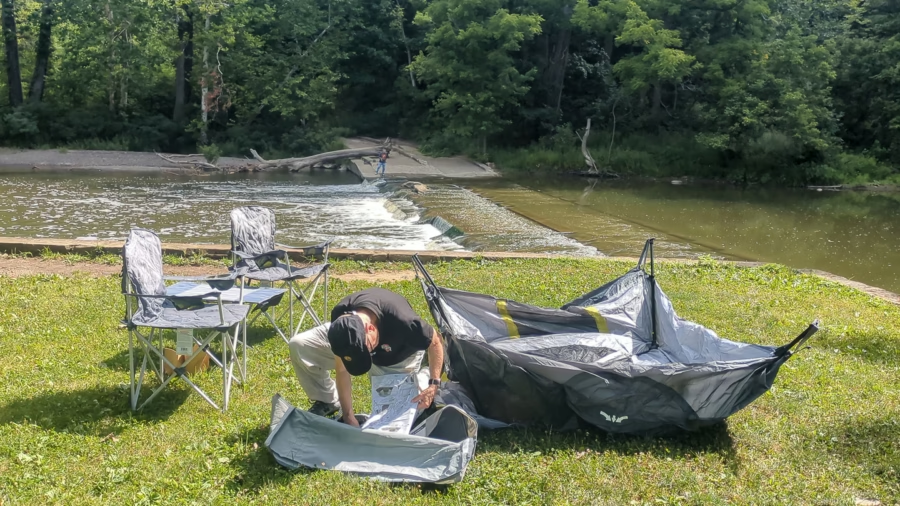
- Follow the directional arrows. Fold the leg frames out (as above) and then down flat against the ground before you try to raise the center section.
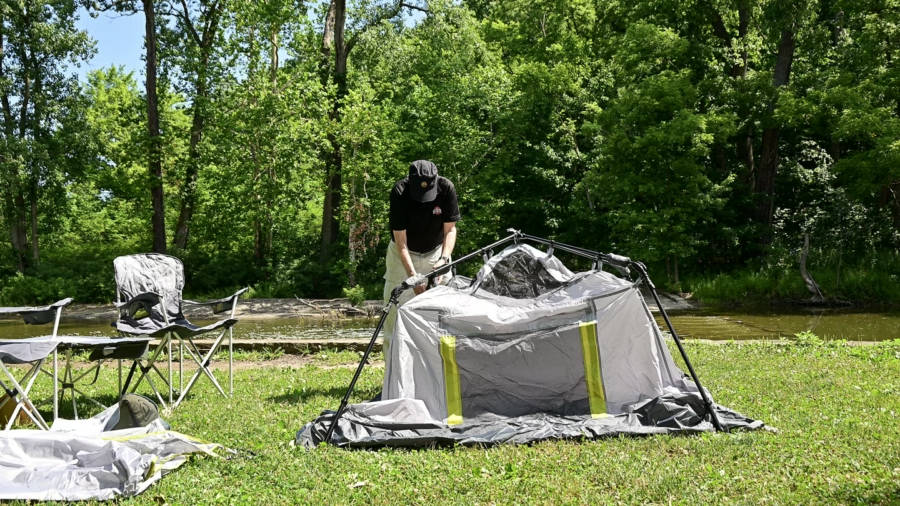
- Raise the top section of the legs. Lift the center hub upward to shape the cabin, then push inward on each of the four leg sections, raising the center a few feet above the ground.
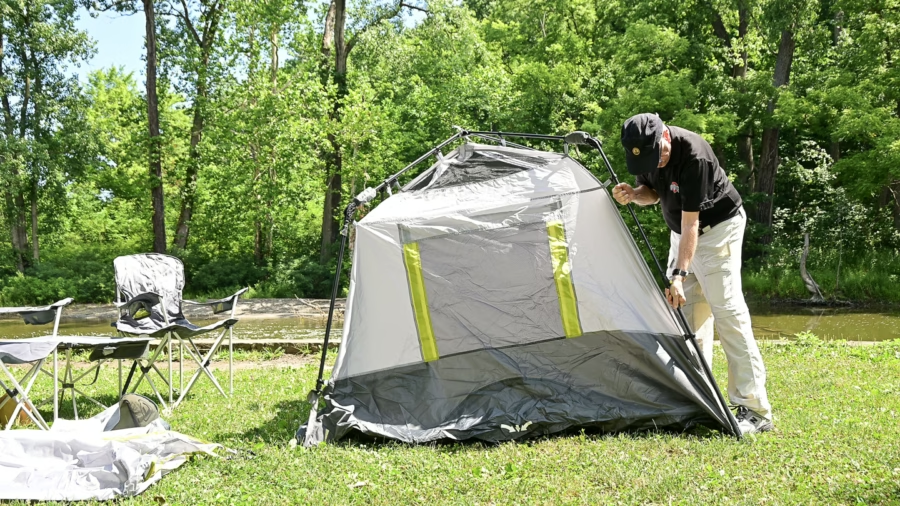
- Now extend each leg until the locking buttons snap securely into place. Work your way around until all legs are extended to their full height.
Once you understand these initial steps, the main tent body pops up in under two minutes without requiring much physical strength at all.
Once the legs are fully extended, you can pick up the entire tent yourself and move it to another spot if the ground doesn’t feel right in the first position you tried. So handy.
Simple Rainfly Setup and Securing Max Floor Space

Some campers complained that putting the rainfly on was tricky, but I found that hard to believe once I tried it. I easily tossed the rainfly over the top of the tent by myself.
Each corner of the rainfly has a heavy-duty plastic locking clip that slides right onto the matching leg post. This pulls the rainfly tight over the mesh roof without forcing you to tie knots. The only part of the process that takes a few minutes is unrolling the guylines, pulling them outward, and driving in the ground stakes.
My Tip for Maximum Wind Resistance and Floor Space
When you start staking down the bottom of the tent, do not just drive stakes in at random:
- Stake down the first corner frame firmly into the dirt.
- Walk to the diagonally opposite leg, pull the floor fabric as tight as you can, and stake that second corner down.
- Repeat that diagonal stretch for the remaining two corners.
Pulling the floor completely square gives you maximum room inside and keeps the steel frame rigid when strong winds kick up.
Weather Protection, Ventilation, and Interior Features
The tent floor measures 8 ft (L) x 7 ft (W), which equals 56 square feet of floor space, with a 54-inch (4.5 ft) center height. Core Equipment advertises this as a four-person tent. In real-world terms, four-person means four adults sleeping side-by-side in sleeping bags with zero room left over for gear or personal items.
For actual comfort, this tent is ideal for two people using sleeping bags and low-profile air pads. While the floor fits a standard Queen air mattress, the 54-inch center peak means the roof slopes down on the sides. If you use a high-profile double-high air mattress or a folding camp cot, the tops of your bedding will press right up against the slanted side walls.
Weather Resistance and Ventilation Details
- 1200mm Hydrostatic Head Rating: The body fabric is 68D polyester with a 1200mm waterproof coating. In plain terms, that means the fabric can hold back a 1200mm (47 inch) column of water before drops start pushing through. That gives you plenty of protection during typical rainstorms.

- E-Port Cord Access: A special electrical port low on the sidewall lets you run a heavy-duty extension cord inside from a power station or campsite hookup without leaving the main door unzipped.

- Storage Options: You get two wall storage double pockets for items like your phone, eyeglasses, or a flashlight. There is also a removable mesh ceiling loft and a center plastic hook for hanging a camping lantern.
- Ground-Level Vent Flaps: Core built two floor-level vents into the base. These pull cool air in near the ground while warm air escapes through the ceiling mesh, keeping air moving so condensation does not build up on the inside walls during rainy weather.

- Door Eave Flap: The front door features a small eave flap supported by a multi-section flexible fiberglass rod that clips into the front two leg posts under tension, helping keep light dripping rain away from the zipper entrance.
Included Camp Chairs and Folding Table
Getting matching furniture inside the same carrying bag adds a lot of value to this combo.

- Two Camp Chairs: Built with powder-coated steel frames and 600D padded polyester fabric, these chairs feature a strong 300 lb weight capacity. The 18.5-inch seat height means you do not have to struggle or strain your knees when standing up.

I’m 5’9″ tall, and while I can’t stand straight up while in the tent, there’s more than adequate head height when I’m seated on one of the chairs or on a cot.
The chairs have built-in beverage holders that are quite clever. They’ll securely hold a large travel mug or pop can in the large forward opening. In the smaller rear section, it will hold a slim can (seltzer, energy drink, etc.) And then best of all, a stretch fabric separates the two sections, which can expand if you have a standard coffee cup with a D-handle.
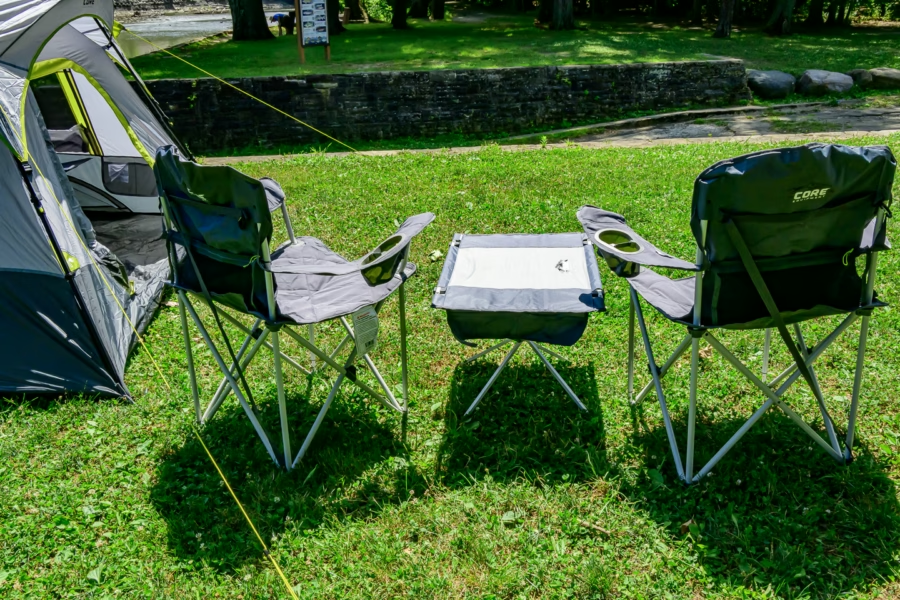
Folding Side Table: Measuring 20.5 in x 31.5 in x 18.1 in, the table supports up to 50 lbs. It features a stretched fabric top supported by steel X-crisscross-bracing underneath, giving you a stable spot for drinks, snacks, or a lantern. It also includes two mesh pockets underneath for extra storage. Don’t need a table? It makes an ideal footrest for two.
Don’t enjoy sleeping on the ground??? YOU NEED A COT!!! Check out this recommended one!
Disclosure: Core Equipment provided us with this tent combo so we could actually try it for ourselves and do this review. No financial compensation was involved, and comments are, and always will be, strictly our own.
